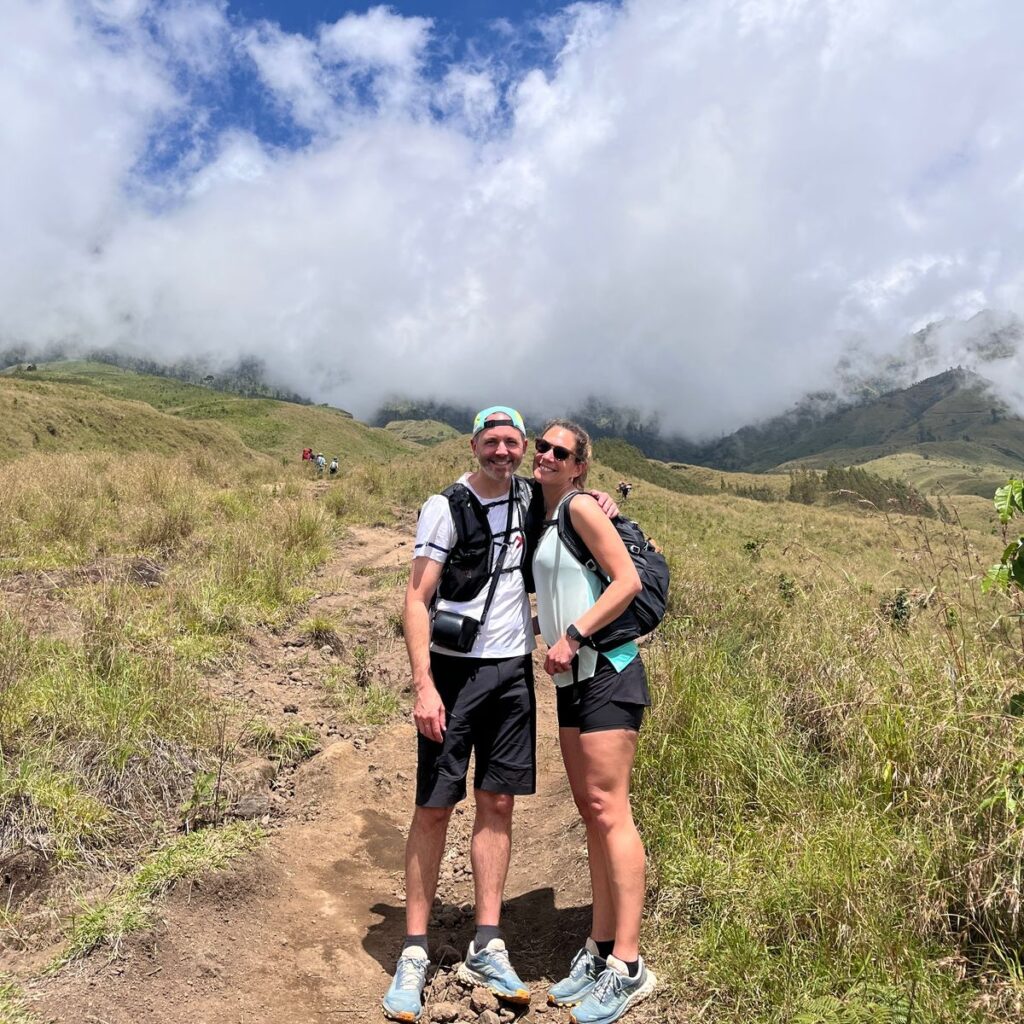
Climbing Mount Rinjani is a serious physical challenge, but packing properly is the difference between a miserable, freezing night and a triumphant summit sunrise. Because you are hiking through humid rainforests, dry savannahs, and freezing volcanic scree all in a matter of days, your packing strategy needs to be smart and layered.
When you book a professional Rinjani trekking package, much of the heavy lifting is done for you. However, you still need to prepare your personal gear carefully.
Here is your comprehensive packing guide for a Mount Rinjani expedition.
The Essentials Your Trekking Operator Should Provide
If you are hiking with a reputable Rinjani trekking guide, you do not need to pack heavy camping equipment. Your porters and guide will carry and set up:
-
Tents and toilet tents
-
Sleeping bags and thick foam mattresses
-
All cooking equipment and gas
-
All food and drinking water
Check your specific tour inclusions before flying to Lombok to ensure you aren’t carrying unnecessary weight.
Clothing: Layering is Mandatory
Temperatures at the base of the mountain will be a humid 85°F (30°C), but at the 3,726-meter summit, temperatures frequently drop to freezing (32°F / 0°C), exacerbated by strong winds.
-
Trekking Pants (1-2 pairs): Lightweight, quick-drying pants. Avoid jeans at all costs; they restrict movement and take forever to dry if it rains.
-
Moisture-Wicking T-Shirts (2-3): Synthetic materials or merino wool are best. They pull sweat away from your body, preventing you from getting chilled when you stop resting.
-
Fleece Jacket: Your mid-layer for retaining body heat at the crater rim camp.
-
Windbreaker / Down Jacket: Crucial for the 2:00 AM summit push. The wind at the top is piercing.
-
Warm Gloves and Beanie: You will lose a lot of body heat through your head and hands during the summit climb.
-
Raincoat / Poncho: Mountain weather is unpredictable. Pack a lightweight waterproof layer even in the dry season.
Footwear: Your Most Important Gear
The terrain on Rinjani is brutal on the feet. The final 400 meters to the summit is deep, loose volcanic ash—for every two steps forward, you slide one step back.
-
Proper Hiking Boots: You need boots with aggressive tread (grip) and solid ankle support. Do not attempt the summit in flat-soled gym shoes; you will slide dangerously.
-
Camp Sandals/Flip-Flops: Essential for letting your feet breathe at the campsite after a long day of hiking.
-
Thick Hiking Socks (3-4 pairs): Bring more pairs than you think you need. Merino wool socks will prevent blisters and keep your feet warm at night.
Essential Gear & Accessories
-
Daypack (20-30 Liters): You will carry this yourself. It should hold your water, camera, snacks, raincoat, and warm layers.
-
Headlamp: Absolutely mandatory. You start the summit hike at 2:00 AM in pitch darkness. You need your hands free, so a phone flashlight will not work.
-
Trekking Poles: Highly recommended, especially for the steep descent and the loose volcanic scree near the summit. If you don’t own them, your Rinjani trekking tour operator can usually rent them to you.
-
Dry Bags: Keep your electronics and dry clothes safe from unexpected downpours.
Personal Health & Hygiene
-
High SPF Sunscreen & Lip Balm: The UV index at high altitudes is extremely strong.
-
Wet Wipes & Toilet Paper: There are no showers on the mountain. A pack of wet wipes is your “camp shower.”
-
Blister Plasters (e.g., Compeed): Apply these at the first sign of a hot spot on your heel.
-
Personal Medications: Include ibuprofen for muscle aches, altitude sickness pills (if you are prone to it), and anti-diarrhea medication.
-
High-Energy Snacks: Your guide will feed you well, but having your favorite energy bars, trail mix, or chocolate is a huge morale booster during the hardest parts of the climb.
Packing light but smart is the secret to enjoying Mount Rinjani. Stick to this list, trust your local guide, and you will be perfectly equipped for the summit!